
• Skip to primary navigation
  • Skip to main content
  • Skip to footer
The Full Noise

The Full Noise

Blenhiem Graphic Design and Website Designers

  • Home
  • What We Do
  • Work
  • Contact

The Blog

How to put your word-of-mouth marketing on steroids

June 6, 2011 by Al

Everybody in business knows that word of mouth is the absolute best form of marketing for their business.

Having a third party recommend your business is more credible in the eyes of the potential customers. Numerous studies have shown that recommendations from friends and even complete strangers have much higher levels of trust than advertising.

The problem with word of mouth marketing is that it is really hard to instigate, encourage or control. For someone to recommend your business, you need to be top of their mind when they happen to be having a conversation with someone who needs your products or services. Basically the right person needs to be in the right place at the right time, having the right conversation to make the referral.

Enter social media

Social media removes some of the barriers of word-of-mouth referrals and makes it easier for your customers to refer or recommend your services. In fact, it makes it so easy, often times, people don’t even realise they are doing it.

Staying Top of mind

Social media, be it Facebook, Twitter, a blog, or even email, allows you regular contact with the fans and customers of your business. That regular contact is critical to reminding your fans that you exist.

Here’s the thing… The contact doesn’t have to be anything heavy. It doesn’t have to be a sales call, a product offer or any form of ‘marketing message’. In fact, it is better if it isn’t (of course there is a place for promoting sales from time to time).

The point is purely to let them know you are still here. Doing your thing. Helping people.

Make it easy to share and promote your business

Before social media, contacting people was slow and expensive. But now, taking 10 minutes to post a photo or a tip on Facebook, and you’ve made contact with all of your fans who are interested enough to follow you.

The trick is posting something interesting that inspires your fans and followers to want to have their say. To share it with their friends.

It only takes 2 seconds to click the ‘like’ button or send a retweet on Twitter, or a minute to compose a comment. On Facebook, every interaction with your content spreads your idea and the visibility of your business further, to reach a larger audience. Effectively removing the barriers of referring your business.

How to make this work for your business

If you haven’t already, set up your presence on these platforms.

Think about what sort of content would be useful or interesting for your customers, and plan some cool content. Remember, content, can be short text tips, long articles, photos or video.

Get some fans. Spread the word with your staff, friend and customers, and give them all a reason to follow you on these services.

Get publishing. Be cool.


Speaking of being cool. If you found this article helpful, I’d appreciate it if you took a moment to write a comment below or share this article on Facebook.
Filed Under: Internet marketing, Social media, Uncategorized Tagged With: Facebook, local business, Marketing, social media, word of mouth

How to help your customers, leverage your time and create valuable content

May 12, 2011 by Al

I recently made this quick video.

Inside the video I explain how I answered a clients question using video, which meant rather than just explaining them the answer (it was slightly technical), I could show them exactly what they needed to do to fix their problem.

Using video to communicate with the client had three further benefits:

  1. The client can refer to the video if they need reminded again
  2. I can share the same video with anyone else with the same question
  3. I just created some valuable content I can share via Social media

People LOVE video

Youtube is the 2nd largest search engine on the internet, and the lion’s share of the videos watched are How-to in nature.

Have a watch of the video and let me know what you think in the comments.

Filed Under: Internet marketing, Social media Tagged With: content marketing, customer service, social media, video

How to grab business by targeting a highly specific market

April 28, 2011 by Al

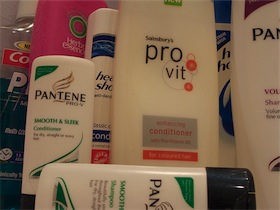
Shampoo is marketed to specific target markets.I’m going to tell you something you already know. You know it, but I’m going to tell you again, because you probably don’t do it.

First, something to consider…

In our house, if you wander into the bathroom and poke your head behind the shower curtain. You will find quite a number of bottles crammed onto the tiny shelf. Including, not just one, but three separate bottles of shampoo. A white bottle with a blue lid for me, a tall architecturally designed cream bottle with a peach lid for my wife, and a transparent bottle of golden liquid for our kids.

Why the hell do we need three bottles of shampoo? They all do more or less exactly the same thing – clean hair.

We have them because shampoo companies know something. It’s the same thing that you already know.

You need to define your target market, and sell directly to them

Most small businesses, when asked who their target market is, have a version of the same answer.

“Anyone” or “Anyone with money”

The idea being that by targeting everybody, they have a larger potential market. Wrong! This strategy is leaving money on the table.

Back to shampoo… Do they sell less shampoo because one brand is targeted to only men? NO they sell more, a metric boatload more.

By targeting a specific, well defined market, it is easier to understand their problems and communicate how your product or service can solve it for them.

Everyone has hair that needs cleaning, but some have dry hair, oily hair, or an itchy scalp. Those are all specific problems that need solved.

Advertise specifically to your market

My shampoo says ‘for Men with sensitive scalps’. It’s a no brainer… That’s the stuff I need (or at least that I think I need).

By being specific you decommoditize your product or service. A product that fixes a specific issue is more valuable than a generic product.

But the market would be too small

Ok, here’s another example of a sneaky way to get around the problem with a small market. In the Internet marketing world, there is at least one dog training course that is marketed as train your Labrador, train your Great Dane, train your German shepherd and many other popular dog breeds.

It’s the same study course, the only way the course is differentiated is who it is marketed to (Labrador owners or German shepherd owners). Simple tactic but it works because all dog owners know their dog is the best dog breed, and training techniques tailored specifically to their breed is going to be better than general dog training.

Could you market the exact same product to two (or more) specific markets?

Action

Who can you help specifically? Write a list of specific groups of people who you could tailor your product or service to fix their specific problem.

Can you add something to you product or service to make it cater to a specific group?

How-to reports and Tips work great:

  • ‘How to teach your child about bike safety’
  • or ‘7 critical accounting systems for a new service business’

Try something to reach a niche market.

— Rinse and repeat —

photo credit: Cormac Heron


If you liked this post, we would really appreciate it if you could write a comment below or post it on Facebook. Sharing is what the cool kids are doing!

Oh, and jump over and ‘Like’ our Facebook page

Filed Under: Marketing Tagged With: Demographics, Marketing, target market

7 ways to get the best from your Web designer

April 4, 2011 by Al

Web DesignerI recently wrote a post how to get the best from your graphic designer. This post takes the same stance with web design.

As with Graphic Design, effective communication, along with preparation is key to working well with a web designer and getting the best results. A little planning and education go a long way to ending with a site that looks great, and promotes your business effectively.

Here is a checklist to make sure you stay on track to a great website.

1. Know why you are investing in this website

What is the purpose of your website for your business?
Deciding this is actually easy. There are only a handful of things that a website can do.

  1. Lead generation for offline sales
  2. Supporting information for offline sales
  3. Provide content to position yourself (or business) as the expert in your field
  4. Online sales – make the sale and take the money

Explaining exactly what you want your website to do for you is critical to getting a great end result.

If on the other hand, you are building a site purely to tick the ‘we have a website’ box, then run out and get the simplest website you can as cheap as possible. At least people will find something if they look for you online.

2. Who are your visitors going to be and how can you help them?

What will your site offer your visitors?

You absolutely MUST know what you are offering your visitor to your site and why they are there so you can give them right information.

Visitors to your website are there because they have a problem or at least they have a question. You need to have a good idea of what that problem or question is, and answer it for them as soon as possible, or at least, show that your business can solve it for them

Any successful website includes a strong call-to-action, and it is much easier to convince someone to take an action if they want to do it already.

3. Get inspired

Here’s a license to muck around on the web for a while. Spend some time bookmarking some websites you like the look and feel of. Surf around for sites inside and outside of your industry.

It is great for you to get an idea of what you like and what you don’t like, and be able to discuss them with your designer. Your designer is never (hopefully) going to copy these sites. But it is a great to get an insight into how you view your business.

4. Simple Keyword research

You need people to find your website. Ideally, they will be people who are interested in your products or services. To do some simple research into keywords, you need to jump back on Google.

I recommend searching for your products or services in another large city, maybe in the US or the UK. Take a note of all the search terms you use. Also scroll to the bottom of the results and note the ‘related searches’ suggested by Google. They are recommended for a reason – because they are popular terms others are searching for.

Ideally, your web designer will do more exhaustive research than this, but it is excellent to have a place to start from.

5. Take ownership of the content

All too often, the content is left to last, after everyone is happy with how the website is going to look.

Content is King…

The words and images of your website are what speak to your visitor, answer your visitor’s questions, solve their problems and they are what sell to the visitor.

Your web designer can guide you through what content you need and help make the copy web friendly (or recommend a professional copy writer). But the original content needs to come from the industry expert (that’s you). You know your business better than your Web designer…

6. Collate your resources

Create a folder with all of your current branding and resources. Your website designer is going to need copies of your company branding (logo etc), and standard imagery you use.

Examples of your current promotional materials are excellent for a designer to ensure the web design is consistent with your current branding. While it is nice to have the latest in website design, it needs to be consistent with your total brand.

7. Keep the lines of communication open

You should be getting regular progress updates from your designer throughout the process. Constructive criticism is important to a successful end result. Give opinions early, even (especially) negative ones. It is much easier to make broad changes earlier in the process than towards the end.

Making decisions quickly will prevent the project from getting stale. If you have a larger organisation, make sure one or at most two people have the authority to make the calls when they are needed.

Conclusion

A website is an integral part of marketing in todays business environment. To get your business represented in the best light on the internet you need to have a good relationship with your web designer. As I mentioned, earlier, clear communication and a little preparation help the process run a lot smoother. Helping your designer understand your business and your goals is a great place to start.

photo credit: mecookie

Filed Under: Design, Web and Multimedia Tagged With: Design, website designer

How to use Facebook places to market your local business

March 9, 2011 by Al

Facebook Places just went live here in New Zealand yesterday.

I just posted this Cinchcast which covers, what Location services are, how they work, and why they are important in marketing your local business online.

Heres what you need to do now.

1. Go and make sure you are listed on Facebook places (and Foursquare for that matter)
(Beg or borrow a smart phone from a friend if you don’t have one yourself…. or go buy an iphone because you should have one anyway.

If your business isn’t listed, then add it.

2. Go to www.facebook.com/places and claim your listing
(just follow along with the instructions)

3. Encourage people to check in to your business. Put up a sign, ask customers as part of your sales process. Especially customers playing with their nice new iPhone in the queue.

Could you do me a favour and leave a comment below. Tell me if you found it helpful or if you have any other questions.

Filed Under: Marketing, Social media Tagged With: Cinch, Facebook, Foursquare, internet marketing, local business, Location Services, Marketing, Places, social media

7 ways to get the best from your Graphic Designer

February 8, 2011 by Al

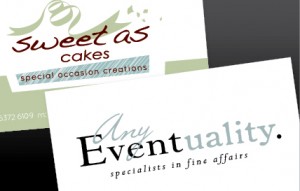
Business card graphic designA Graphic Designer can take your business to the next level. Slick, well designed promotional materials speak volumes to your clients and prospects about your professionalism and quality of service (or products).

Your relationship with your graphic designer and the quality of your communications, can make all the difference to the final result.

Here are 7 tips to get the best possible work from your designer:

1. Know what you are trying to achieve with the design

When you are paying for an advertisement in a newspaper or magazine, what is the goal of the ad? To sell something? To position your business in the market? The end design will have a different feel and calls to action depending on the goal.

If you don’t know the goal of a given promotion, STOP. Don’t bother asking your designer to come up with anything until you know what you want it for.

2. Who is your target market and what is the aim of the work?

A design targeted at 18 year old mountain bikers is going to look different to one aimed at 40 year old mothers. That is pretty obvious, but important.

Are you wanting to inspire, educate or shock your audience? Great graphic design elicits an emotional reaction from the viewer, and different groups are going to react differently to colours and imagery.

The old cliche, ‘If everyone is an audience, then no-one is your audience’, holds true. You are better to be loved by some and hated by others rather than ignored by all.

3. An idea of what you want it to look like.

Stop here for a minute. I don’t mean you should turn up with the design already done. But it can help a designer greatly to give some examples of work you like. Or even better, some of your current promotional materials as this helps with continuity within your brand.

“I’ll know it when I see it” doesn’t help.

There is nothing worse for a designer to work hard on some concepts and you all of a sudden realise that they are nothing like what you had in mind – tell them what you have in mind from the start and discuss it with your Graphic designer.

Do some research of design you like online (even from different industries). Ask yourself how adventurous are you willing to be to stand out from the crowd?

4. Make sure you have the information your graphic designer will need to complete your job.

Each job will be different, but most will at least need these in some form or another.

  • High resolution logo
  • Any images you use.
  • Examples of your current branding or promotional materials (to make sure the branding is consistent).
  • The copy you want to use including a call to action and contact details.

It’s a great idea to keep all of your resources and marketing materials in one folder on your computer, so you always know where they are. Once you have an ongoing relationship with a designer, they will likely keep these on file as well, but it pays to keep your own copies, just in case.

5. Set a reasonable timeframe

Tomorrow is not reasonable.

Allow for time to review and critique the designers concepts as they supply them to you. Constructive feedback is critical to get the end result that you want.

With an important job such as a company logo, that will be the face of the company for potentially years in the future, allow time for discussion and back and forth changes.

6. Discuss issues early.

If the design isn’t going in a direction you are happy with, let your designer know as early as possible. Throwing out a couple of hours work is a lot easier than an entire days effort. And cheaper, as the final cost is based on creative time spent.

7. Care about the design you are asking for.

If you don’t care about it, your designer can tell and you won’t get the best results.
It is hard to put in 100% effort for someone that isn’t going to appreciate it.

How do you let your designer know you care?

Sell your business to your designer, tell them where you are going and what you are going to acheive. Get them excited about your business and they’ll do their best to get you there.

Oh, and do all of the steps above…

Conclusion

What a Graphic Designer does… is make things look cool… but more than that, they aim to relate the work to the target audience through colour, images and text. They are trying to tell a story of your business or offer and entice the viewer to engage with it.

The more work you do with a designer, the better they will understand you, your business and your goals.

Do you have any burning questions about working with a Graphic Designer?

Filed Under: Design, Print design Tagged With: Branding, Design, graphic design, How to, relationship

« Previous Page
Next Page »

Footer

M +64 274 458 809
M +64 21 100 7390

facebook icon Instagram icon

©2021 The Full Noise Ltd. All rights reserved.

Copyright © 2026 · The Full Noise 2020 on Genesis Framework · WordPress · Log in